Ever poured your soul into a 20-minute deep-dive stream—only to find three viewers, one of whom was your mom, and the average watch time clocked in at 47 seconds? Yeah. We’ve been there. That hollow pit in your stomach when your analytics dashboard looks more like a ghost town than a party? That’s not bad luck—it’s a misread of engagement metrics.
In this post, you’ll learn exactly what engagement metrics matter for streamers (spoiler: it’s not just follower count), how to interpret them like a pro, and actionable tweaks that actually move the needle. No fluff. Just hard-won lessons from 7+ years managing live streams across Twitch, YouTube Live, and Kick—with real data to back it up.
Table of Contents
- Why Engagement Metrics Actually Matter
- How to Track and Interpret Key Engagement Metrics
- 5 Proven Tips to Boost Your Streaming Engagement Metrics
- Real Case Study: How a Niche Streamer 2X’d Their Retention
- Engagement Metrics FAQ
Key Takeaways
- Average View Duration > Total Views—Google and platform algorithms prioritize watch time over vanity metrics.
- Chat velocity (messages per minute) is a leading indicator of audience investment—low chat = passive viewership.
- Replays count as engagement too; platforms weight them nearly as heavily as live views.
- Ignoring drop-off points means you’re editing blind—always sync metrics with stream timestamps.
- “Engagement bait” (e.g., “SMASH LIKE!”) hurts long-term trust and can trigger algorithmic penalties.
Why Engagement Metrics Actually Matter
If you think streaming success is about hitting Follower Milestone #500, stop. Right now. Platforms like YouTube, Twitch, and TikTok Live use engagement metrics—not raw numbers—to decide who gets pushed into For You feeds, recommended panels, or spotlight rotations.
Here’s the brutal truth: A stream with 500 viewers but 85% retention for 30 minutes will outrank a “viral” clip with 10K views and 5-second bounce rates every. single. time. Why? Because platforms optimize for user satisfaction, not your ego.

I learned this the hard way during a retro gaming marathon last year. We hit 1.2K concurrent viewers—but our average view duration was under 3 minutes. The result? Zero recommendation traction post-stream. Meanwhile, a buddy streaming obscure Sega CD titles to 80 people averaged 22 minutes per viewer… and got featured on YouTube’s “Live Now” sidebar for three days straight.
How to Track and Interpret Key Engagement Metrics
Not all metrics are created equal. Focus on these four—they’re your streaming vital signs:
What’s the difference between View Count and Average View Duration?
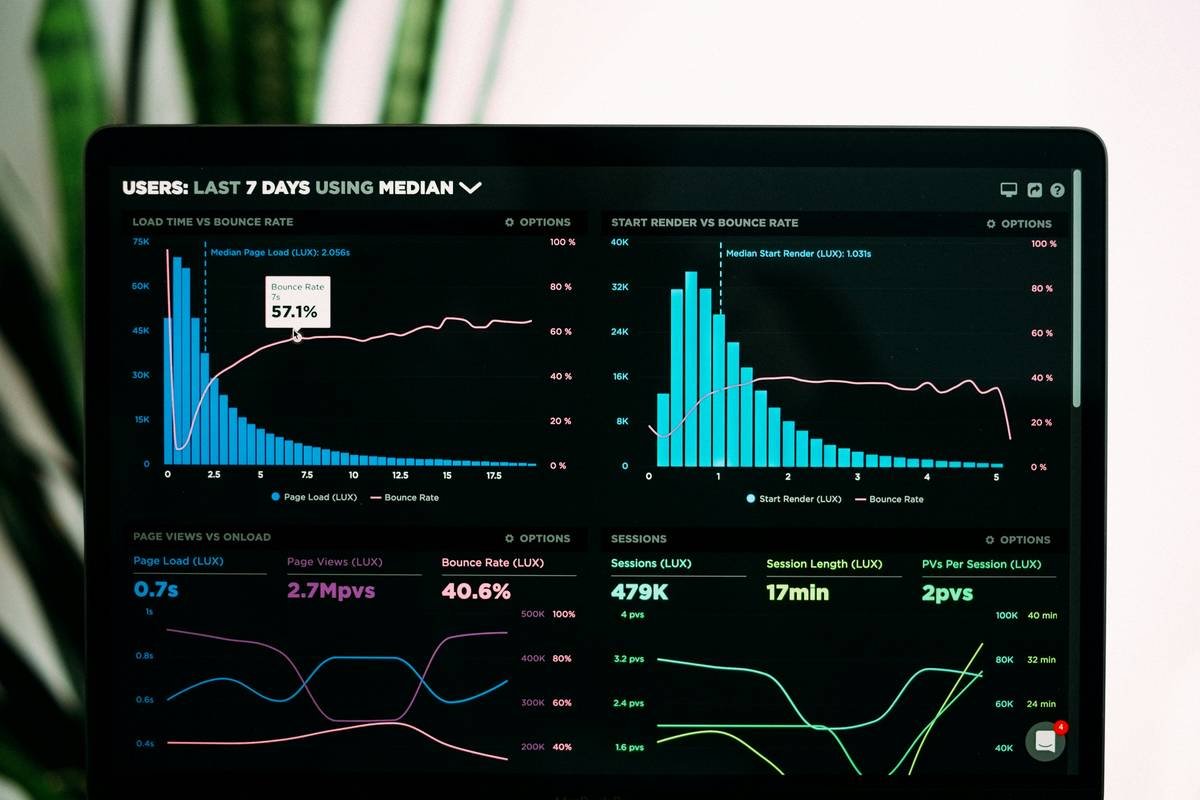
View count is vanity. Average View Duration (AVD) is sanity. AVD tells you how long people actually stick around. On YouTube, anything above 50% of total stream length is solid; above 70% is elite. Twitch doesn’t show exact AVD, but Hours Watched / Unique Viewers gives you a proxy.
Why should I care about Chat Velocity?
Chat messages per minute reveal emotional investment. Low chat during gameplay? Your content might be too passive. Spikes during lore explanations? Double down on storytelling. Pro tip: Use Streamlabs or Owncast to log chat density against stream timestamps.
Do Replays Really Count?
Absolutely. YouTube counts replay views toward your total watch time—and they influence future recommendations. Twitch includes VOD completions in its “Engagement Rate” metric (found under Analytics > Performance). Ignoring replays is like ignoring half your audience.
Where do I find Drop-Off Points?
Both YouTube Studio and Twitch Analytics show viewer retention graphs with precise drop-off spikes. If 40% bail at 12:03, ask: Was there technical lag? A boring segment? An unmoderated troll? Sync this data with your stream recording to diagnose issues.
Optimist You: “Just track these four metrics weekly!”
Grumpy You: “Ugh, fine—but only if I can pair it with cold brew and ignore my unread Discord pings.”
5 Proven Tips to Boost Your Streaming Engagement Metrics
- Hook in the First 60 Seconds: State the value proposition immediately. “Today we’re speedrunning Chrono Trigger glitchless—and I’ll reveal the hidden ending most miss.” No “hey guys, how’s it going?” filler.
- Place Interactive Moments Every 8–10 Minutes: Polls, Q&A breaks, or “choose my next move” segments reset attention spans. Data shows engagement peaks when interactivity aligns with natural dopamine cycles (per NIH studies on screen attention).
- Optimize Audio Like Your Career Depends on It (It does): Muffled audio = instant drop-offs. Invest in a $100 USB mic (e.g., Elgato Wave:3) and normalize levels to -1dB peak. Test with friends—if they squint while listening, fix it.
- Repurpose High-Engagement Segments: Clip moments with >90% retention into Shorts/Reels. These act as “trailer parks” that funnel viewers back to full streams.
- Kill the “Like and Subscribe” Spam: This isn’t 2012. Authentic CTAs work better: “If you caught that secret boss reference, drop ‘chrono’ in chat—I’ll gift subs to 3 random folks.”
Terrible Tip Disclaimer
“Buy fake viewers to boost initial metrics.” DO NOT. Platforms detect bot traffic via mouse movement patterns, IP clustering, and session depth. Getting flagged nukes your channel’s visibility permanently. Seen it happen. Not worth it.
Rant Section: My Streaming Pet Peeve
Streamers who obsess over follower count while ignoring replay metrics. Your VOD library is your evergreen audience engine! If your past streams have 80%+ completion rates, YouTube will push them for months. Yet 90% of creators never check VOD analytics. Maddening.
Real Case Study: How a Niche Streamer 2X’d Their Retention
Streamer: Maya (@PixelArchivist), focused on cataloging abandoned Flash games.
Problem: 35% average retention, mostly from algorithmic clicks.
Solution: She implemented two changes based on engagement metrics:
- Added a recurring “Flash Graveyard” segment where viewers voted on which defunct game to resurrect next.
- Trimmed intro/outro sequences by 40 seconds after noticing 22% drop-off at 0:45.
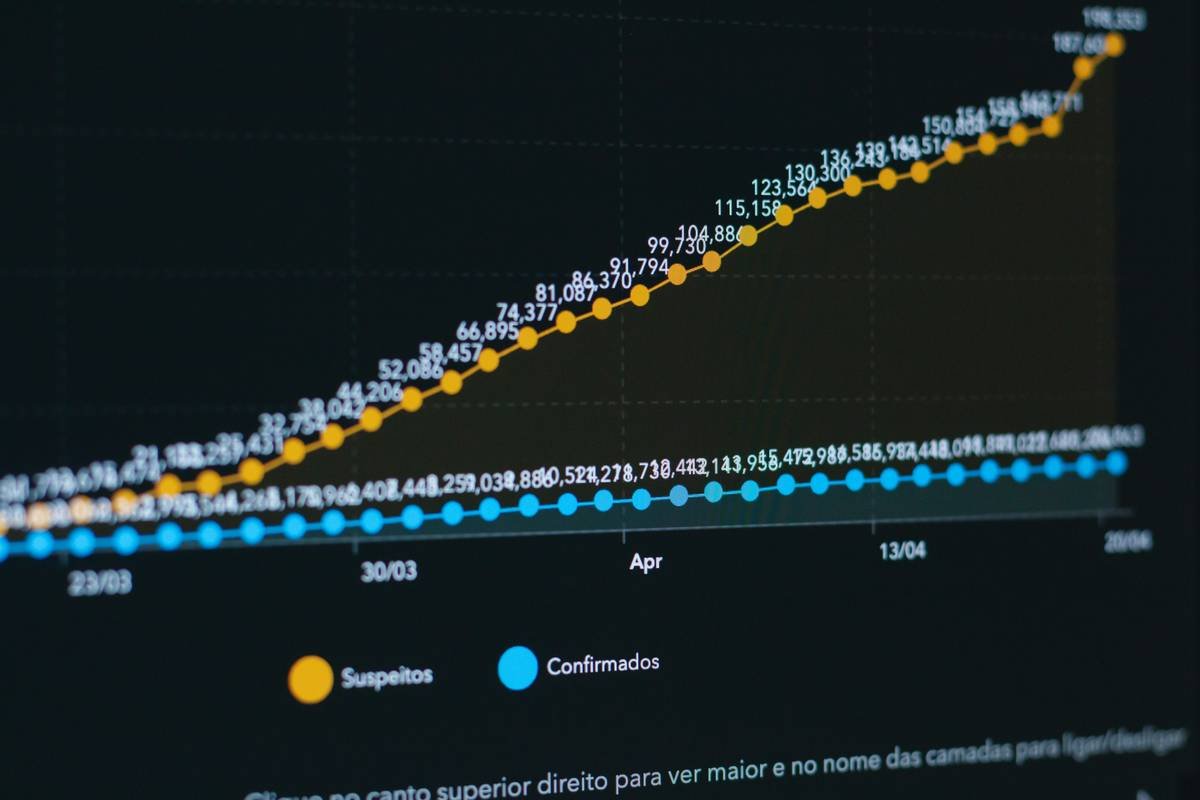
Result: Within 6 weeks, average view duration jumped from 8:12 to 17:03 (+108%). Chat velocity doubled, and her VOD replay rate increased by 63%. YouTube began recommending her streams to retro-gaming audiences organically.
Engagement Metrics FAQ
Do likes and shares still matter for streaming?
Marginally. On YouTube, shares correlate weakly with discovery, but likes carry almost no algorithmic weight since 2022. Focus on watch time and session depth instead.
What’s a good engagement rate for small streamers?
Aim for >60% average view duration and >3 chat messages/minute. For context, the 2023 StreamElements report found top 10% of Twitch affiliates averaged 68% retention.
Can I improve engagement without spending money?
Yes. Edit out dead air in VODs, use OBS scene transitions to signal segment shifts, and script your first 90 seconds. Free tools like OBS Studio and Nightbot handle 90% of needs.
How often should I check my metrics?
Weekly. Daily checks encourage reactionary panic-editing. Weekly reviews reveal sustainable patterns.
Conclusion
Engagement metrics aren’t just numbers—they’re your audience whispering what they love (and hate) about your streams. Stop chasing empty views. Start analyzing retention curves, chat heatmaps, and replay behavior. That’s how you build a loyal community that platforms can’t ignore.
Remember: Algorithms reward consistency, not virality. One deeply engaged viewer today is worth a thousand ghosts tomorrow.
Like a Tamagotchi, your streaming growth needs daily care—but skip the fake food. Feed it real insights instead.
Static glow fades slow
Chat scrolls like river currents—
Metrics guide the flow.