Introduction
Ever had a viewer comment, “Your audio sounds like it’s coming from a tin can”? Yeah, we’ve all been there. Whether you’re a seasoned streamer or just starting out, the quality of your stream equipment can make or break your content. In this post, we’ll dive into the world of stream equipment quality and share actionable tips to help you level up your setup.
You’ll learn:
- Why stream equipment quality is crucial
- Step-by-step guide to choosing the right gear
- Tips and best practices for optimal performance
- Real-world success stories and case studies
- FAQs to answer your burning questions
Table of Contents
Key Takeaways
- High-quality stream equipment enhances viewer engagement and retention.
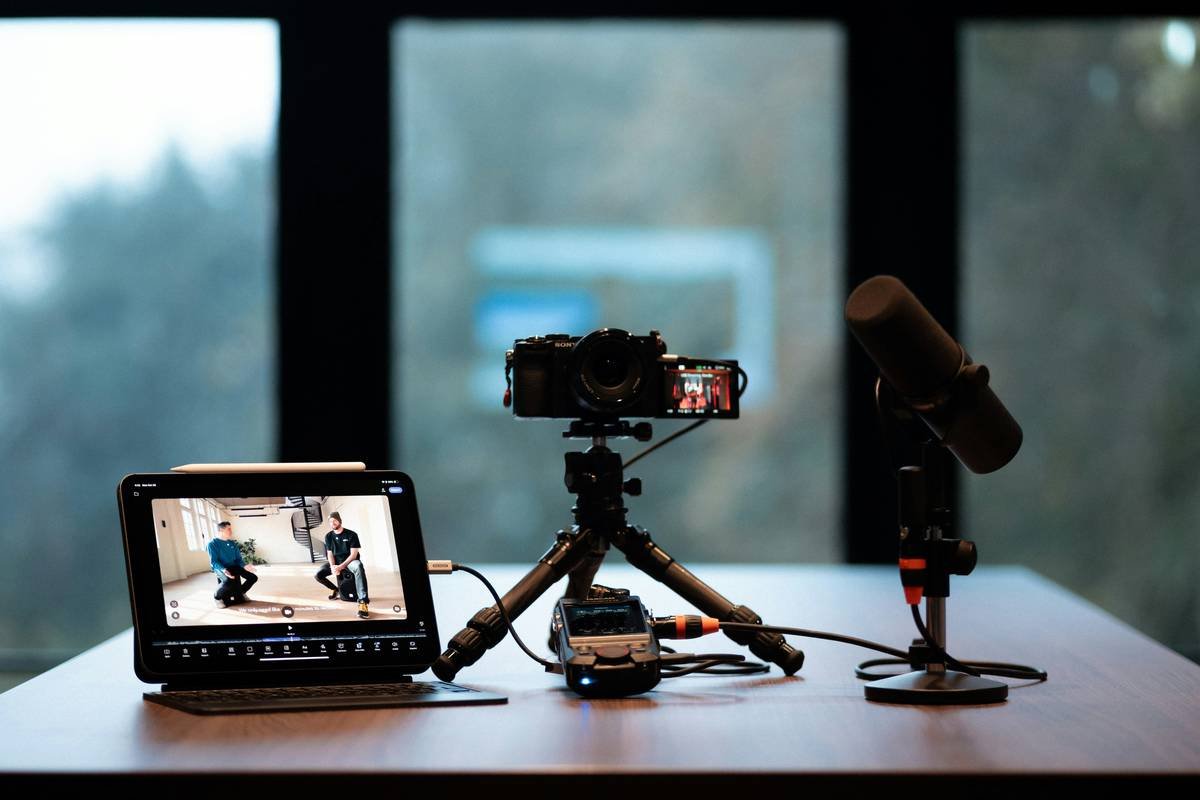
- Prioritize essential gear like a good microphone, camera, and lighting.
- Optimize your setup with software settings and room acoustics.
- Learn from real-world examples and case studies.
- Address common FAQs to fine-tune your setup.
Why Stream Equipment Quality Matters?
Imagine spending hours perfecting your stream content, only to have it fall flat because of poor audio or video quality. Sounds like your laptop fan during a 4K render—whirrrr. High-quality stream equipment not only ensures that your content looks and sounds professional but also keeps your viewers engaged and coming back for more.
Choosing the Right Gear: A Step-by-Step Guide
Grumpy You: “Ugh, do I really need to spend a fortune on new gear?”
Optimist You: “No, but investing in the right essentials will make a huge difference.”
Step 1: Prioritize Your Needs
Identify what aspects of your stream need the most improvement. Is it audio, video, or both? For example, if your audio is muffled, investing in a high-quality microphone should be your priority.
Step 2: Research and Compare
Don’t just go for the cheapest option. Do your research and compare different models. Look at reviews, features, and compatibility with your current setup.
Step 3: Set a Budget
Determine how much you’re willing to spend. Remember, you don’t need to break the bank, but budgeting wisely can help you get the best value for your money.
Step 4: Test Before You Commit
If possible, test the gear before buying. Many retailers offer return policies, so take advantage of them. This way, you can ensure the gear meets your expectations.
Step 5: Invest Gradually
There’s no need to buy everything at once. Start with the essentials and gradually add more as your needs grow and your budget allows.
Tips and Best Practices for Optimal Performance
Grumpy You: “Fine, but don’t tell me to clean my stuff every day.”
Optimist You: “It’s not about cleaning, it’s about maintenance!”
Tip 1: Position Your Microphone Correctly
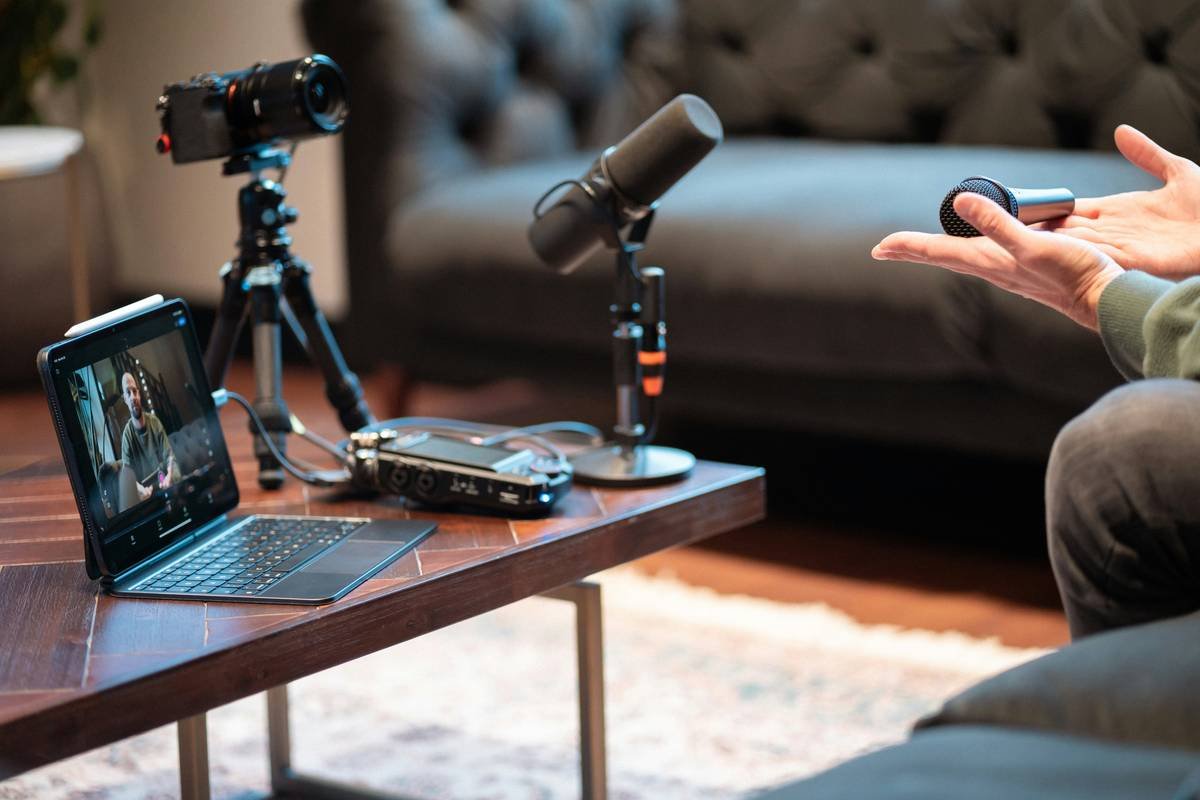
Place your microphone at a distance where it captures your voice clearly without picking up background noise. A pop filter can also help reduce plosive sounds.
Tip 2: Use Proper Lighting
A three-point lighting setup (key light, fill light, and backlight) can make a huge difference in the quality of your video. Ensure your lighting is even and natural-looking.
Tip 3: Optimize Your Room Acoustics
Add acoustic panels or thick curtains to reduce echo and improve sound quality. This can be especially important if you’re streaming from a room with hard surfaces.
Terrible Tip: Use a $5000 Camera
While a high-end camera can be great, it’s not necessary for most streamers. Focus on getting the best possible audio and basic video quality first.
Tip 4: Regularly Update Your Software
Keep your streaming software, drivers, and firmware up to date. This can help fix bugs, improve performance, and ensure compatibility with new features.
Real-World Success Stories and Case Studies
Let’s look at some real-world examples of how upgrading stream equipment quality can make a significant difference.
Case Study: StreamerX
StreamerX, a popular gaming streamer, noticed a drop in viewer count despite consistently high-quality content. After investing in a better microphone and proper lighting, their viewership increased by 30% within a month. The clearer audio and more engaging visuals made a huge impact.
Case Study: VloggerY
VloggerY, a lifestyle vlogger, struggled with poor lighting and inconsistent audio. By adding a ring light and a mid-range microphone, their video quality improved drastically. Their YouTube channel gained 500 new subscribers within two weeks of the upgrade.
FAQs About Stream Equipment Quality
Got questions? We’ve got answers. Here are some common FAQs to help you fine-tune your setup.
Q: What’s the most important piece of equipment for a streamer?
A: While all equipment is important, a high-quality microphone is often the most critical. Clear audio can significantly improve the overall experience for your viewers.
Q: How do I know if my current equipment is good enough?
A: Ask for feedback from your viewers. If they consistently mention issues with audio or video, it might be time to upgrade. Additionally, testing your setup with a friend or family member can provide valuable insights.
Q: Can I use my smartphone for streaming?
A: Yes, you can, but it may not provide the best quality. Smartphones can be a good start, but for professional-level streaming, dedicated microphones, cameras, and lighting are generally recommended.
Q: How often should I replace my streaming equipment?
A: It depends on the wear and tear and the quality of the equipment. Generally, if your gear is still working well and meeting your needs, there’s no need to replace it. However, staying up to date with new technology can sometimes be beneficial.
Conclusion
Stream equipment quality is not just a nice-to-have; it’s a must-have for anyone serious about streaming. By investing in the right gear and following best practices, you can create content that engages, entertains, and retains your audience. Remember, it’s not about having the most expensive equipment, but the right equipment for your needs.
Stay tuned for more tips and tricks. And remember, like a Tamagotchi, your SEO needs daily care.