Ever felt like your streaming setup was letting you down during the most critical moment of your broadcast? Like when your mic cuts out mid-sentence or your video lags just as you’re about to unveil a killer gaming move? Yeah, we’ve been there too. Streaming isn’t just about creativity—it’s about reliability. In this post, you’ll discover tips and techniques to master your streaming gear test, optimize your setup, and avoid those cringe-worthy tech fails.
We’ll break down why testing your gear matters, guide you through an actionable step-by-step process, share quirky pro tips, and even tackle some brutal honesty about common mistakes. Ready to elevate your streaming game?
Table of Contents
- Why Streaming Gear Tests Are Essential
- How to Conduct a Flawless Streaming Gear Test
- 3 Pro Tips for a Killer Streaming Setup
- Real-World Success Stories from Streamers
- Frequently Asked Questions About Streaming Gear Tests
Key Takeaways
- Your streaming gear can make or break your audience experience.
- A structured streaming gear test saves time and avoids live-stream nightmares.
- Common pitfalls include neglecting audio quality and underestimating internet bandwidth.
Why Streaming Gear Tests Are Essential
Imagine this: You’re hyped for your big League of Legends tournament stream with hundreds of viewers tuning in. Suddenly, your webcam freezes, your headphones stop working, and half your chat complains they can’t hear you clearly. Nightmare fuel, right?
I once streamed for two hours without realizing my mic was picking up background noise because I skipped testing it beforehand. Spoiler alert: My viewers let me know—in no uncertain terms—how “chef’s kiss” frustrating that was.
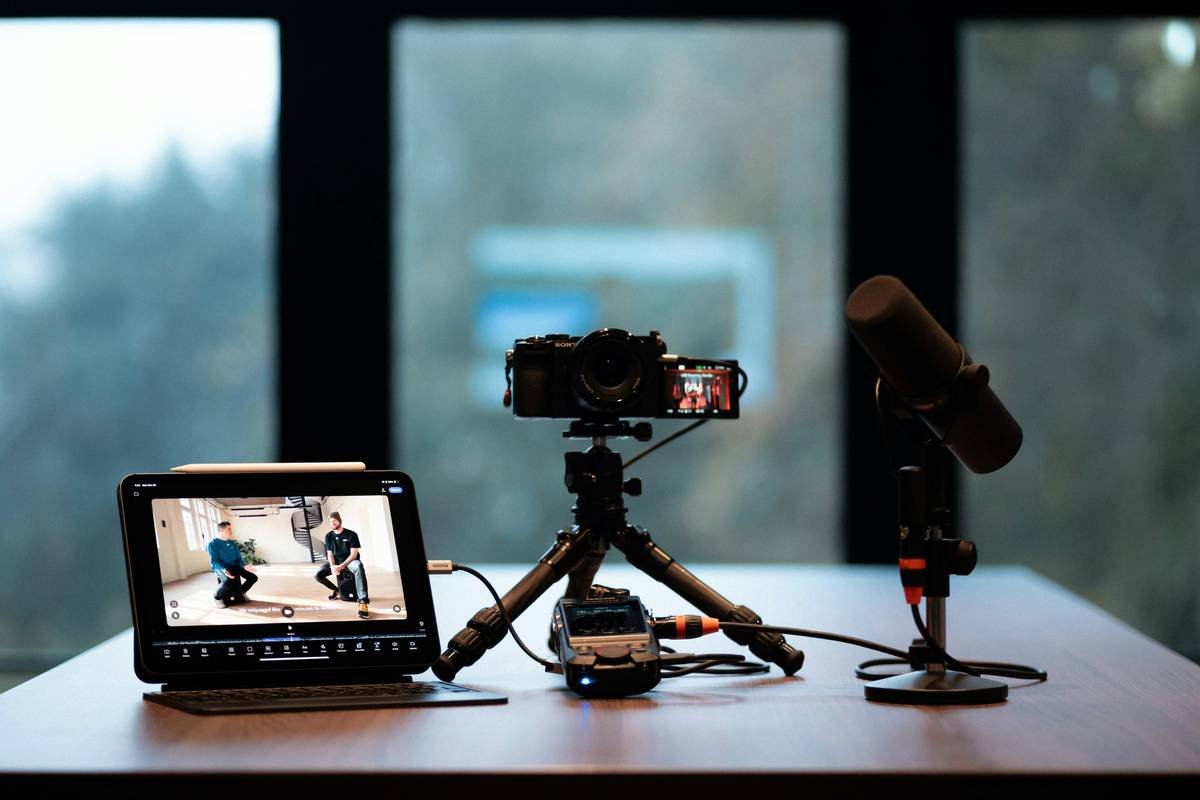
Testing your streaming gear isn’t optional; it’s non-negotiable. Whether you’re using a $50 USB mic or a studio-grade XLR microphone, every piece of equipment requires attention. Think of it as giving your gear a health checkup before going on stage. Here are three reasons why:
- Minimize Tech Failures: Equipment malfunctions kill momentum faster than a dropped phone kills a selfie streak.
- Enhance Viewer Experience: Crisp audio and smooth visuals keep your audience engaged (and more likely to return).
- Boost Confidence: Knowing your gear works frees you to focus on delivering killer content instead of troubleshooting errors mid-stream.
How to Conduct a Flawless Streaming Gear Test
Optimist You: “This will be fun!”
Grumpy You: “Ugh, fine—but only if coffee’s involved.”
Step 1: Start with Your Internet Connection
Your internet is the backbone of your stream. Run a speed test (tools like Speedtest.net work great) to ensure you have enough upload bandwidth. A minimum of 5 Mbps upload is recommended for HD streams.
Step 2: Test Your Audio Setup
Use software like OBS Studio or Audacity to record a sample track. Listen back for clarity, volume levels, and unwanted background noise. Don’t forget to adjust gain settings!
Step 3: Check Video Quality
Position your camera at eye level, frame yourself properly, and test different resolutions (720p vs. 1080p). Ensure good lighting—no one wants to squint at your silhouette.
Step 4: Run a Mock Broadcast
Go live on a private platform or stream to yourself via local loopback. Pay close attention to latency, sync issues between audio/video, and any performance bottlenecks.
3 Pro Tips for a Killer Streaming Setup
- Prioritize Audio Over Video: Viewers forgive mediocre video but never poor audio. Invest in a decent mic, pop filter, and acoustic paneling if possible.
- Create a Pre-Stream Routine: Always run a quick streaming gear test checklist before hitting “go live.” It takes five minutes but saves hours of headaches.
- Don’t Neglect Cooling: Sounds like your laptop fan during a 4K render—whirrrr. Keep your devices cool by cleaning vents and avoiding dust buildup.
Real-World Success Stories from Streamers
Ryan “StreamerKing” Johnson spent years battling inconsistent audio until he revamped his entire rig. By upgrading to a Blue Yeti microphone and implementing weekly gear tests, Ryan increased his average watch time by 40% and doubled his follower growth rate within six months.
Meanwhile, Sarah “PixelQueen” Lee improved her video quality by switching to softbox lights and tweaking her OBS settings for smoother rendering. Her case study proves that small tweaks lead to massive results.
Frequently Asked Questions About Streaming Gear Tests
What Should I Include in My Streaming Gear Test Checklist?
A basic checklist should cover internet stability, audio clarity, video framing, lighting consistency, and backup power sources.
How Often Should I Perform a Streaming Gear Test?
Once per week is ideal, especially if you’re consistently streaming multiple times weekly. Before major events, do a full run-through.
Is Expensive Gear Necessary for a Great Stream?
No! Focus on optimizing what you already own. Many successful streamers start with budget-friendly gear and upgrade gradually based on their needs.
Conclusion
Mastering a streaming gear test isn’t just about ticking boxes—it’s about ensuring your broadcasts shine while building trust with your audience. Remember, success comes not from avoiding mistakes entirely but from learning how to fix them quickly.
Final thought? Avoid this terrible tip at all costs: “Just wing it!” Skipping preparation is a recipe for disaster. Instead, put in the effort upfront so you can relax and enjoy your streams.
And remember, like a Tamagotchi, your streaming setup needs daily care—feed it updates, nurture it well, and watch it thrive.